


Why Read Wordless Picture Books With Your Child? A Parent's Guide
Reading Guides | October 4, 2026

When you first pick up a wordless picture book, it can feel a little strange. There are no words to read aloud, no rhyming refrain to settle into, no author telling you exactly what is happening. You open to the first page and it is just... a picture. What do you do now?
It turns out that what you do now is some of the most powerful literacy work you can share with a young child. Wordless books ask the reader to become the storyteller, and that shift changes everything about how a child engages with a book.
What Wordless Books Actually Teach
When a child reads a book with text, they are doing two jobs at once: decoding the words and building the story in their head. Wordless books remove the first job entirely, which frees up enormous mental space for the second. Your child gets to practice comprehension, sequencing, cause and effect, and emotional inference without any of the pressure of reading words correctly.
This is especially valuable for children who are still learning to read. A struggling decoder can feel like a struggling reader, even when their thinking is sharp and their imagination is rich. Hand them a wordless book and watch what happens. Suddenly they are not behind. They are in charge.
Vocabulary grows too, but in a different way than you might expect. Because you are narrating the pictures together, you naturally reach for words the text would never have used. "She looks nervous, doesn't she? See how her hands are clasped?" That kind of rich, contextual language is exactly what builds strong readers later on.
How to Read a Wordless Book Together
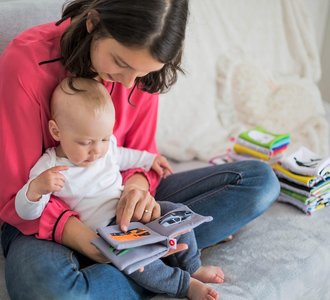
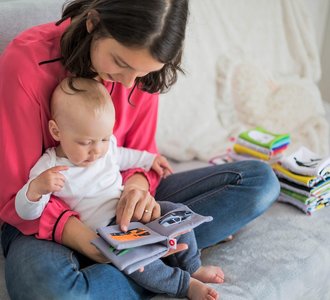
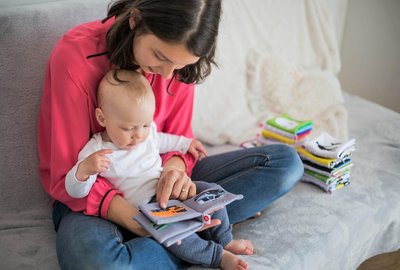
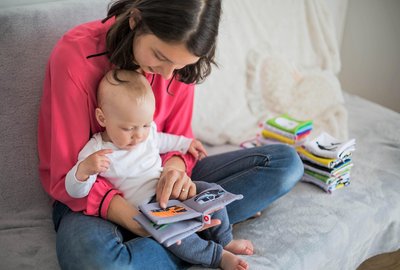
Start by looking at the cover and asking your child what they think might happen. There is no wrong answer. Then take it one spread at a time. Resist the urge to narrate the whole thing yourself. Pause, point, and ask open questions: What is the character doing? How do you think they feel? What might happen next?
On a second reading, try telling the story from a different character's point of view. On a third, let your child be the narrator and you be the listener. You can also invite them to add dialogue bubbles out loud, or to give the main character a name and a backstory. These small games deepen the experience and stretch the same book across many nights.
Good wordless books to look for include titles with clear emotional arcs, distinct characters, and detailed illustrations that reward close looking. Books about a journey, a lost toy, a new friendship, or a small everyday adventure tend to work beautifully. Ask your local librarian for recommendations; children's librarians love this genre and usually have favorites ready.
If your child is used to being read to, the first wordless book may feel bumpy. Give it two or three tries. Most children warm to the format quickly once they realize they cannot get it wrong. And for reluctant readers, that freedom is often the thing that finally gets them excited about books.


Pippin And Page
The books on your shelf shape how your child sees themselves and others, so a little intentionality goes a long way.