





When Your Child Only Wants the Same Book Again and Again
Reading Guides | September 25, 2026
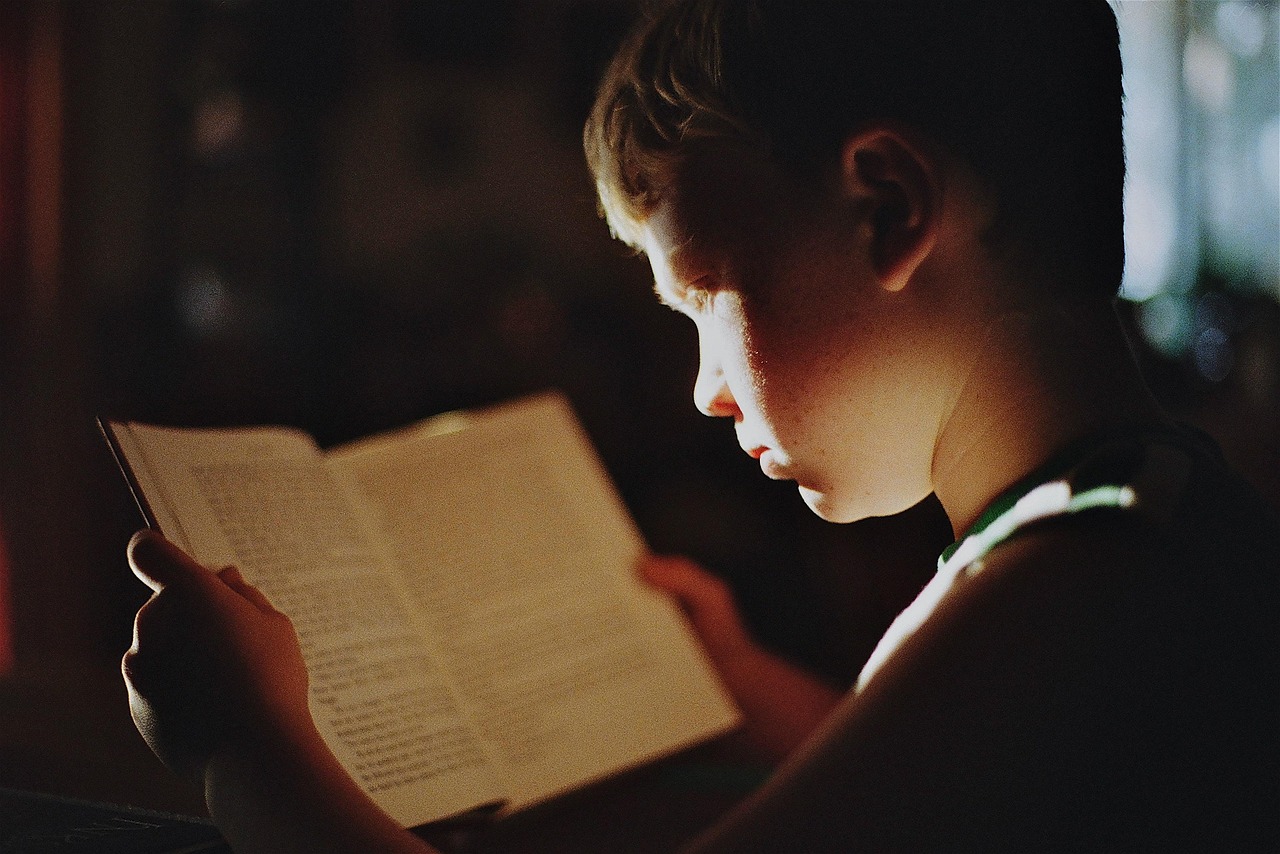
It is the fourth week. You have read the same picture book every single night. You could recite it in your sleep. You have started hiding it under the couch cushions, and your child has started finding it there, which frankly feels unfair. If this is your life right now, take a breath. The repetition is not a problem to solve. It is a stage to enjoy, and there is real learning happening underneath it.
Young children return to the same book for the same reason they return to the same comfort food, the same blanket, and the same bedtime song. Familiarity feels good. It feels safe. And it gives them a sense of control in a world where most things are decided for them.
What Repetition Is Actually Doing
When a child hears the same story many times, they are not just hearing it. They are studying it. The first few readings are about the plot: what happens, who is in it, how it ends. Later readings are about everything else. They notice that the character's face changes on a certain page. They notice a small detail in the background. They start to anticipate the rhyme before you say it, and then they say it with you, and then they say it before you.
This is pre-reading in action. Your child is learning how stories work, how sentences flow, how pages turn, and how words sound. They are building a mental library of story structures they will draw on for years. A child who has heard a hundred repetitions of the same simple book has done a surprising amount of literacy work.
Repetition also supports emotional development. Children often latch onto books that mirror something they are working through: a fear, a transition, a new sibling, a big feeling. Reading the same story over and over lets them revisit that feeling in a safe, contained way. The book becomes a tool for processing, not just entertainment.
How to Keep Your Sanity Without Saying No
You do not have to refuse the beloved book. But you can widen the circle around it. Try pairing it with a new title each night: one familiar favorite, one new pick. Or introduce a small rotation of three or four books that includes the favorite, so the routine stays predictable but your brain gets a break.
You can also change how you read it. Try reading it in a silly voice. Try pausing before the last word of a page and letting your child fill it in. Try asking a new question each time: "What do you think the bear is thinking here?" or "Where do you think they are going after this?" The same book can become many different experiences.
If your child is older and still clinging to one title, that is usually fine too. Many children keep a comfort book on the shelf long after they have moved on to longer stories. Let it stay. It is doing quiet work in the background, and one day they will pick it up and read it to a younger sibling or a stuffed animal, and you will realize the repetition was never wasted at all.


Pippin And Page

The right picture book can give a child language for emotions they do not yet have words for.