





Illustrated Books That Help Kids Talk About Big Feelings
Book Reviews | September 22, 2026
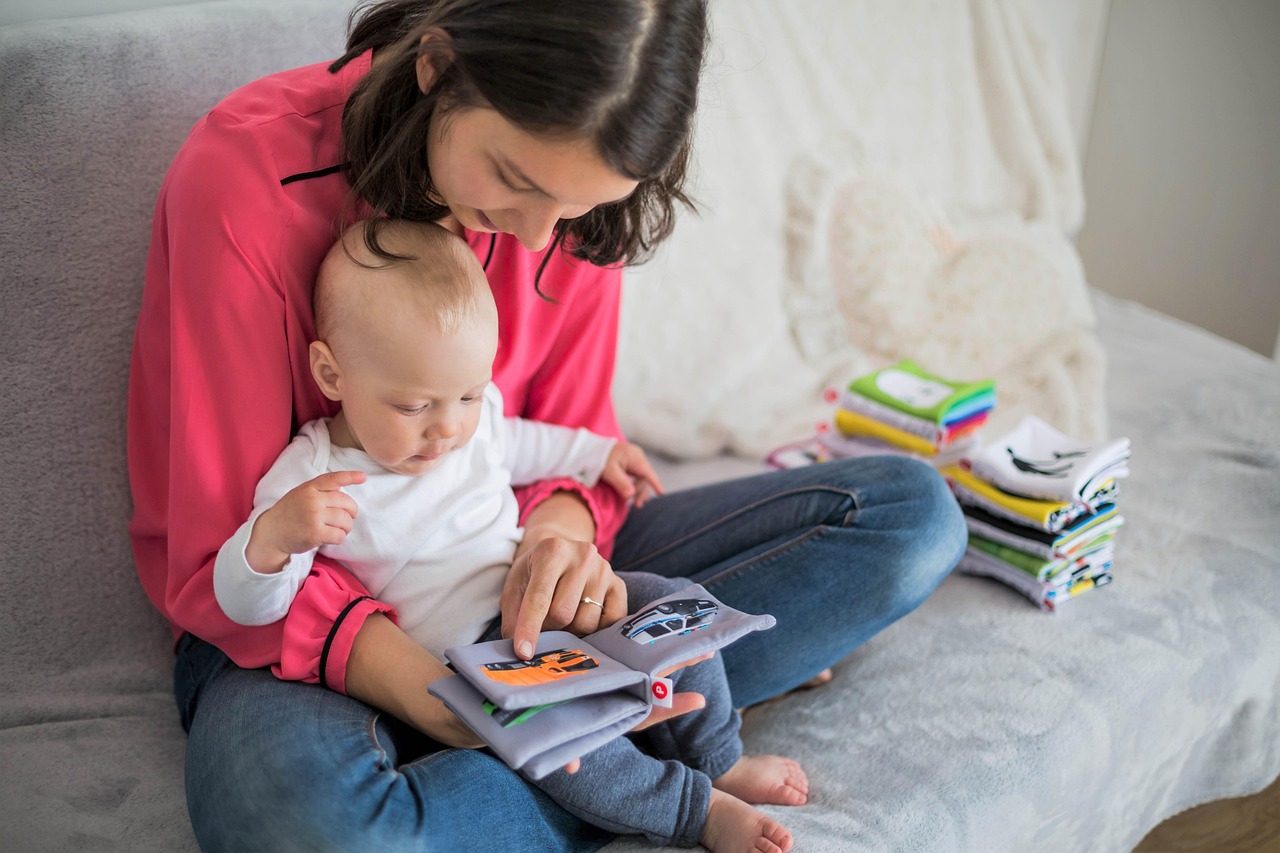
Ask a four-year-old why they are crying and you will often get a shrug. Not because they are being difficult, but because the feeling is bigger than their vocabulary. This is where picture books do something remarkable. They give children a safe, low-stakes way to look at emotions from the outside, name them, and start to understand them.
Books about feelings are not magic, and they are not a substitute for talking with your child. But they are one of the best tools we have for opening the conversation without pressure. Here are some things to look for, and how to use them well.
What Makes a Good Feelings Book
The best emotional picture books do not lecture. They show a character in a situation and let the feeling unfold naturally. A child who is angry about a broken toy does not need to be told that anger is okay. They need to see a character who is angry, watch what happens, and notice that the anger passes and the relationship survives.
Look for books with specific, varied emotional vocabulary. "Sad" is a start, but "disappointed," "frustrated," "lonely," "nervous," and "left out" are far more useful. When a book gives a child a precise word, it gives them a handle. Suddenly the feeling is something they can hold and talk about, not just something that happens to them.
Illustrations matter enormously here. A skilled illustrator shows emotion in the body: slumped shoulders, a clenched fist, a face turned away, a small smile that does not reach the eyes. When you read together, you can point to those details and ask your child what they notice. This builds emotional literacy in a way that words alone cannot.
Also look for books where feelings are not solved too quickly. Real emotional growth is slow. A picture book that acknowledges that a hard feeling lingers, even after a hug, is often more helpful than one where everything is fixed by the last page.
How to Read Them With Your Child
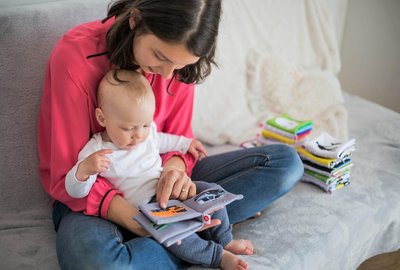
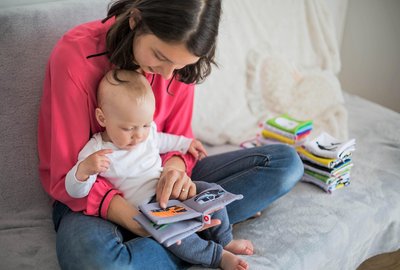
Read the book once for the story. Let your child enjoy it. Then, on a second reading, slow down. Pause on pages where the character's emotion is strong. Ask gentle, open questions: "What do you think she is feeling here?" "Have you ever felt like that?" Do not push for answers. Silence is fine. Some of the best conversations happen the next day, in the car or at the dinner table, when the book is far away.
Try not to use the book as a lesson for a specific behavior. If your child just had a meltdown and you pull out a book about meltdowns, they will feel managed rather than understood. Instead, keep a small shelf of feelings books in regular rotation, read them when things are calm, and let them do their work over time.
Finally, share your own feelings sometimes. "I felt frustrated today when I could not find my keys." When a parent names an emotion out loud and handles it calmly, that is a live demonstration of everything the books are teaching. Children learn far more from what they see than from what they are told, and a picture book read together is often just the beginning of a much longer conversation.


Pippin And Page

The difference between a story that fizzles and one that sparks isn't the book, it's the read-aloud.