

Choosing Picture Books That Reflect Your Child's World
Book Selection | October 1, 2026
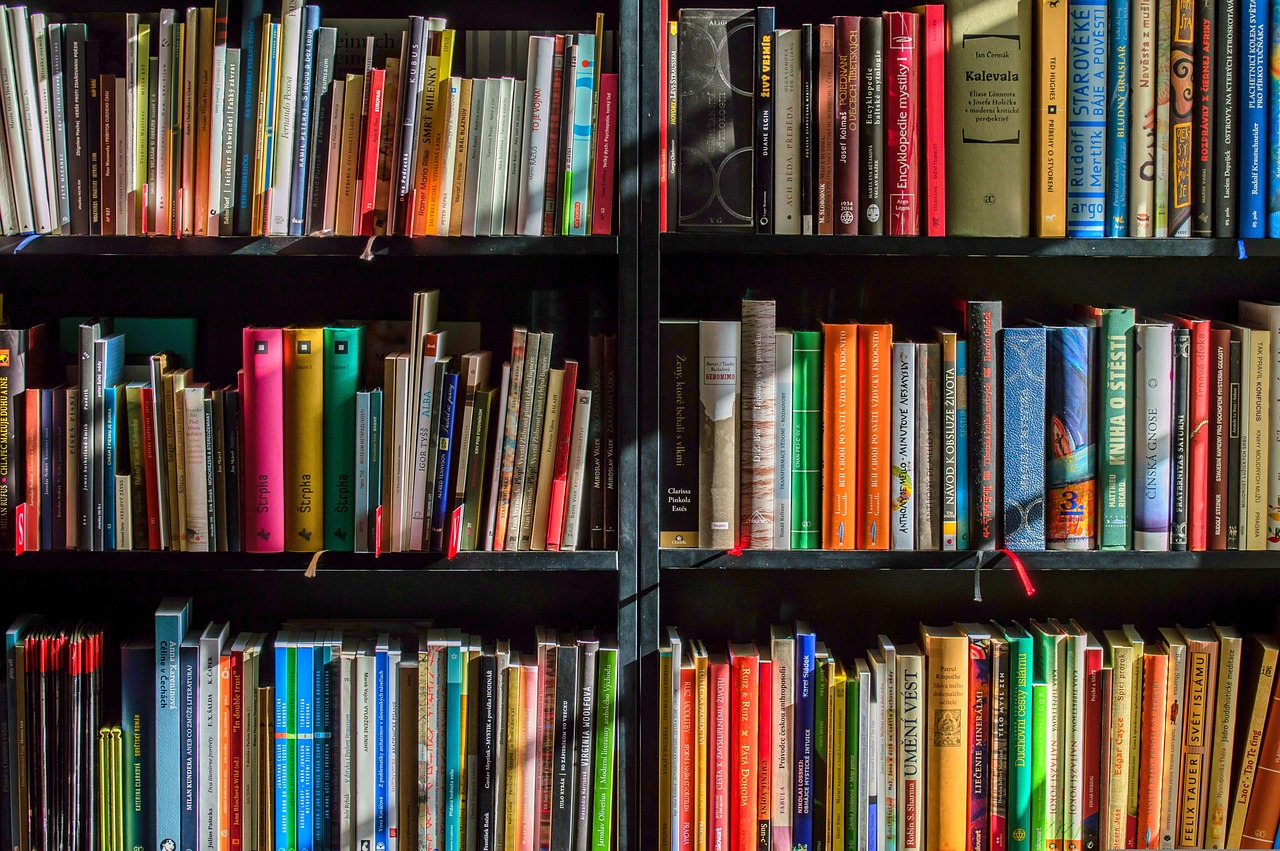
Walk into any children's section and you will find thousands of picture books. They are beautiful, funny, and endlessly varied. But if you look closely, you will notice that some kinds of stories appear far more often than others, and some kinds of children appear far less. As parents, we get to decide what fills our shelves, and those choices matter more than we sometimes realize.
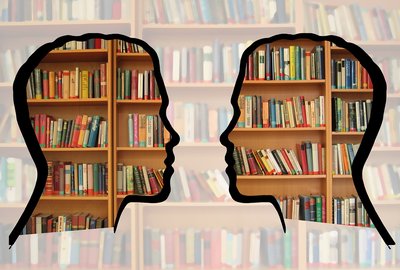
A good home library does two things at once. It gives your child a mirror, so they can see their own life and feelings reflected back. And it gives them a window, so they can peek into lives and experiences different from their own. Both are essential, and both take a little intention.
Mirrors: Books Where Your Child Sees Themselves
Think about your child's daily life. What do they love? What worries them? What makes them laugh? Books that reflect those specifics tell a child that their world is worth writing about. A child who loves trucks deserves stories about trucks. A child with a new baby sibling needs books about new babies. A child who is shy, or loud, or a picky eater, or the only one in their class with a certain family structure, deserves to find that on a page.
Mirrors also mean identity. If your child is Black, Indigenous, a person of color, disabled, neurodivergent, part of an immigrant family, or being raised in a faith tradition, look for books that show those parts of their life with warmth and accuracy. These books exist, but they are not always front and center on display tables. Ask librarians, follow children's book reviewers who focus on inclusive titles, and check publisher catalogs directly.
One practical tip: pay attention to how characters like your child are portrayed. Are they the hero, or only the sidekick? Are they shown with agency and personality, or as a symbol? The best mirror books feel like real life, not like a lesson.
Windows: Books That Open the World
Windows are just as important. A child who only ever reads about families like their own will grow up with a narrow sense of what normal looks like. Picture books are one of the gentlest ways to widen that view. A story about a child in another country, a family with two moms, a grandmother who uses a wheelchair, or a neighborhood very different from yours builds empathy in a way that lectures cannot.
When you read a window book, do not treat it as a diversity lesson. Treat it as a story. Let your child meet the character as a person. If questions come up, answer them honestly and simply. Children are naturally curious and rarely judgmental unless they have been taught to be.
A simple way to audit your shelf: pull out twenty books at random and look at the main characters. Who are they? What do they look like? What kinds of families and neighborhoods do they live in? If the answer is mostly the same, that is useful information. You do not need to fix it overnight. Just add one or two new titles on your next library trip, and keep going from there.


Pippin And Page
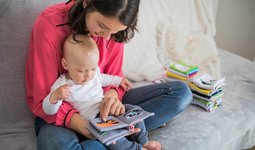
A calm, predictable bedtime story ritual does more for your child's reading life than almost anything else you can do.