




What to Do When Your Child Refuses to Read
Reading Tips | September 10, 2026

It can feel personal when a child pushes a book away. You've built the shelf, you've read aloud since they were small, and now they'd rather do almost anything else. Before you worry, take a breath. Resistance to reading is common, it's usually temporary, and it almost never means your child will grow up without books.
The trick is to figure out what the refusal is actually about. It might be about difficulty, boredom, control, or simply a busy day. Each of those has a different response.
Look for the Real Reason
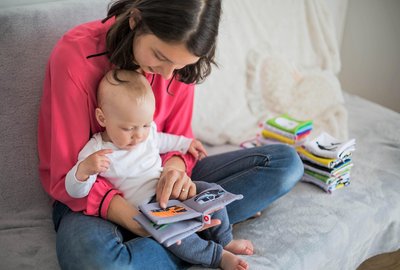
If a child finds reading hard, they'll avoid it, the same way any of us avoid things that feel like failure. Watch for signs: do they guess at words instead of sounding them out, skip lines, or get frustrated quickly? If reading is a struggle, the fix isn't more pressure. It's more support, and possibly a conversation with a teacher or reading specialist. In the meantime, keep read-aloud alive so your child still gets the joy of stories without the strain.
If the issue is boredom, the solution is choice. A child who gets to pick their own books, even books you find silly or too easy, reads more. Comics, graphic novels, joke books, and nonfiction about sharks all count. So do audiobooks, which build vocabulary and story sense while a child's eyes and hands are free.
Sometimes the refusal is about control. Reading is one of the few things a child can simply decline, and that power feels good. In that case, back off the pressure and offer low-stakes invitations instead. Leave a book open on the couch. Read the first page of something funny out loud and stop. Let curiosity do the work.
Lower the Bar and Raise the Fun
Try reading in a different way. Read to a pet, a stuffed animal, or a younger sibling. Read a recipe while you cook together. Read a comic in the car. Read a board game's instructions. When reading is one tool among many rather than a task to complete, the resistance often fades.
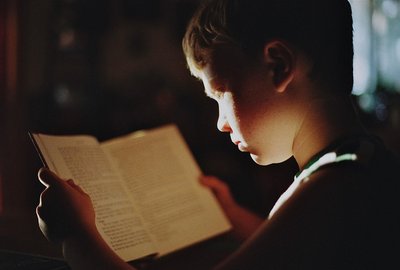
Also consider the timing. Many children are too tired after school to read anything demanding. A ten-minute window in the morning, or right before bed when the lights are low, can work far better than a forced session at four in the afternoon. And model it yourself. If your child sees you reading for pleasure, with no agenda, that message lands more deeply than any lecture.
Finally, be patient and keep the door open. Keep reading aloud even to older kids, even when they say they're too big for it. Keep the shelf stocked. Keep your tone light. Most reading resistance is a phase, and the children who come back to books are usually the ones who were never made to feel like reading was a test.


Pippin And Page

From backyard bugs to faraway forests, these picture books turn curiosity about the natural world into a shared expedition.