

Illustrated Books That Make Nature Feel Like an Adventure
Book Lists | September 7, 2026
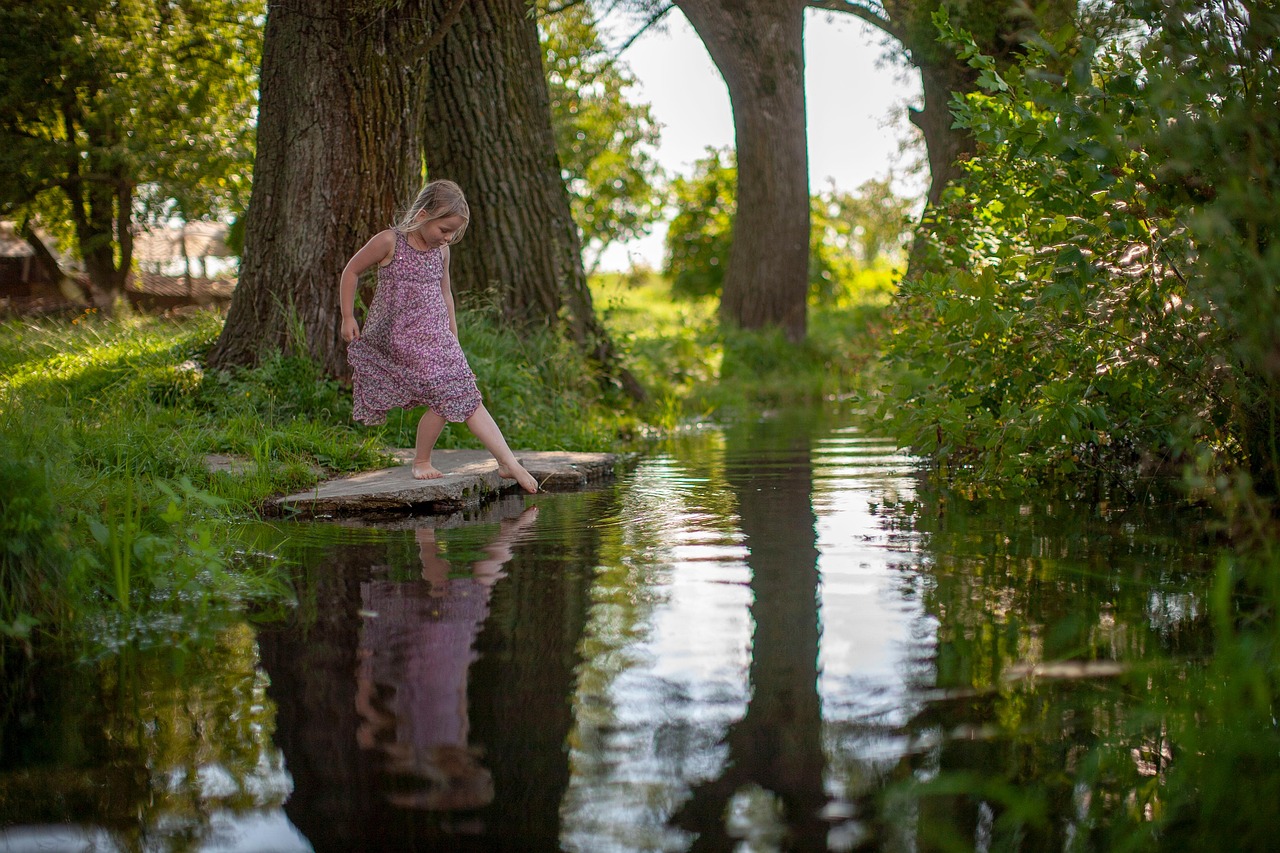
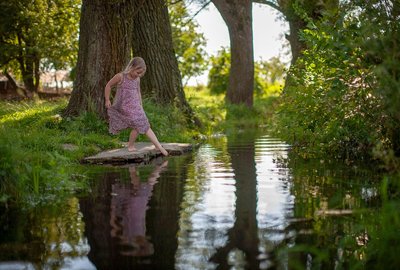
Children are natural scientists. They notice ants on the sidewalk, ask why the moon follows the car, and collect rocks with the seriousness of a museum curator. Picture books about nature meet that curiosity and stretch it, giving children names for what they see and reasons to look closer.
The best nature books for young children aren't field guides. They're stories and explorations, full of wonder and rich illustration, that make the outdoors feel like a place worth paying attention to. Here are the kinds of titles worth adding to your shelf, and how to use them.
Stories That Follow a Season or a Life Cycle
Books that trace a seed becoming a flower, a caterpillar becoming a butterfly, or a forest changing through the seasons give children a sense of time and pattern. These stories are satisfying because they have a clear arc, and they quietly teach that living things grow and change. Look for books with detailed, accurate illustrations rather than cartoons, so your child can connect what's on the page to what's in the yard.
After reading, go outside and look for the same thing. Plant a seed in a cup. Watch a tree through the window and note its changes. The book becomes a field trip, and the field trip becomes a memory. Even in a city apartment, a windowsill herb or a potted plant can carry the story forward.
It also helps to revisit these books at different times of year. A book about autumn reads differently in October than in April, and your child will notice things they missed the first time.
Books That Invite Looking and Wondering
Some of the richest nature books are almost wordless, or built around questions rather than answers. Seek-and-find books set in forests, oceans, or gardens ask children to slow down and scan, which is exactly the skill naturalists need. Books that ask what do you notice? or where do you think this animal lives? turn reading into a conversation.
Pair these with simple tools. A magnifying glass, a pair of binoculars, or a small notebook for drawings can extend the reading into real observation. You don't need to identify every bird or bug. The point is attention, not expertise. When your child asks a question you can't answer, look it up together. Modeling curiosity is more valuable than having all the facts.
Finally, choose books that show nature as both beautiful and a little wild. Storms, night skies, and creatures that are neither cute nor cuddly are all part of the story. Children are drawn to the strange and the slightly scary, and honest nature books respect that. Read them outdoors when you can, with dirt under your nails and the real world humming all around you.


Pippin And Page

Wordless picture books turn storytime into a conversation, and they build vocabulary and comprehension in ways text-heavy books simply cannot.