





How to Read a Picture Book Aloud So Kids Hang on Every Word
Reading Tips | September 19, 2026
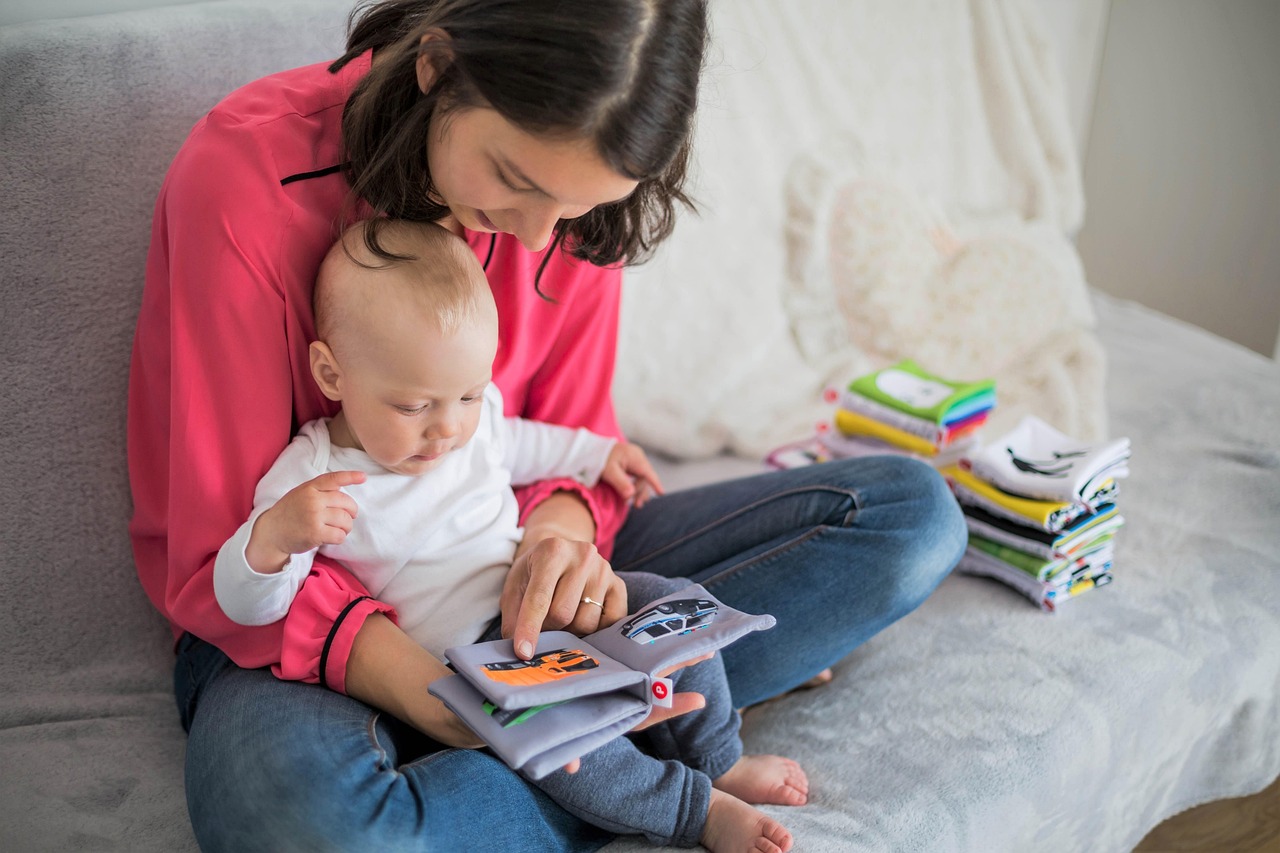
Most parents already know that reading aloud matters. What's less obvious is that how you read aloud matters just as much as how often you do it. The same book can be a flat five minutes or a performance your child begs for again tomorrow, and the gap between those two experiences is almost entirely in the delivery.
You don't need drama school training. You need a few small habits that signal to your child that story time is a different kind of time, where voices change, pauses matter, and anything might happen.
Give Each Character a Voice, Even a Bad One
Children don't grade your accents. They notice that you tried. A squeaky mouse, a slow grumpy bear, a whispery ghost: any consistent voice helps your child track who is speaking and makes the story feel like an event rather than a recitation. If you're worried about sounding silly, remember that silly is the point. The books themselves are often silly. You're just meeting them where they are.
Keep the voices simple and repeatable. A character who sounds the same on page three and page twenty-three is doing more for comprehension than a fancy voice you can't remember. If a book has a repeated refrain, like a chant or a sound effect, invite your child to say it with you. Repetition is where young readers start to feel like participants instead of an audience.
Use Pauses, Pointing, and Prediction
A well-timed pause is the most underrated tool in read-aloud. Stop just before the punchline of a rhyming line and watch your child fill it in. Stop after a page turn that reveals something surprising and let the illustration do its work before you say a word. Those silences give your child space to think, and thinking is what turns listening into reading comprehension.
Point as you go, but not at every word. Run your finger under a repeated phrase, a character's name, or a word your child has started to recognize. This is how print awareness grows naturally, without flashcards or drills. If your child asks a question mid-story, answer it briefly and keep going. Questions are a sign of engagement, not interruption.
Prediction is another gentle habit. Before turning a page, ask something small: what do you think she'll do next? You don't need an answer every time. The question itself teaches your child to read actively, holding the story in mind and wondering forward. That's the posture of a lifelong reader.
Finally, let the book end before you rush to the next thing. Close the cover, take a breath, and ask what your child thought. Some of the best conversations happen in the thirty seconds after a story ends. Read the same book ten nights in a row if that's what your child wants. Each reading, with a new pause or a new voice, is a new layer of understanding.
Read-aloud isn't a performance you have to perfect. It's a relationship you build one page at a time. When your child hears that you love the story, they learn to love it too.


Pippin And Page

A gentle stack of illustrated books that help children name their worries and walk into the classroom with a little more courage.